Colorful tiled facades, great tapas bars, art and its own beach. Valencia’s former fishing district is now a vibrant neighborhood where local traditions meet hip creativity.
The neighborhood doesn’t boast any major attractions, but other more local experiences await in El Cabanyal in Valencia.
El Cabanyal was an independent fishing village until it was integrated into Valencia at the end of the 19th century. Here they lived the simple fishing life that the famous Spanish painter Joaquín Sorolla, among others, enjoyed depicting in his paintings.
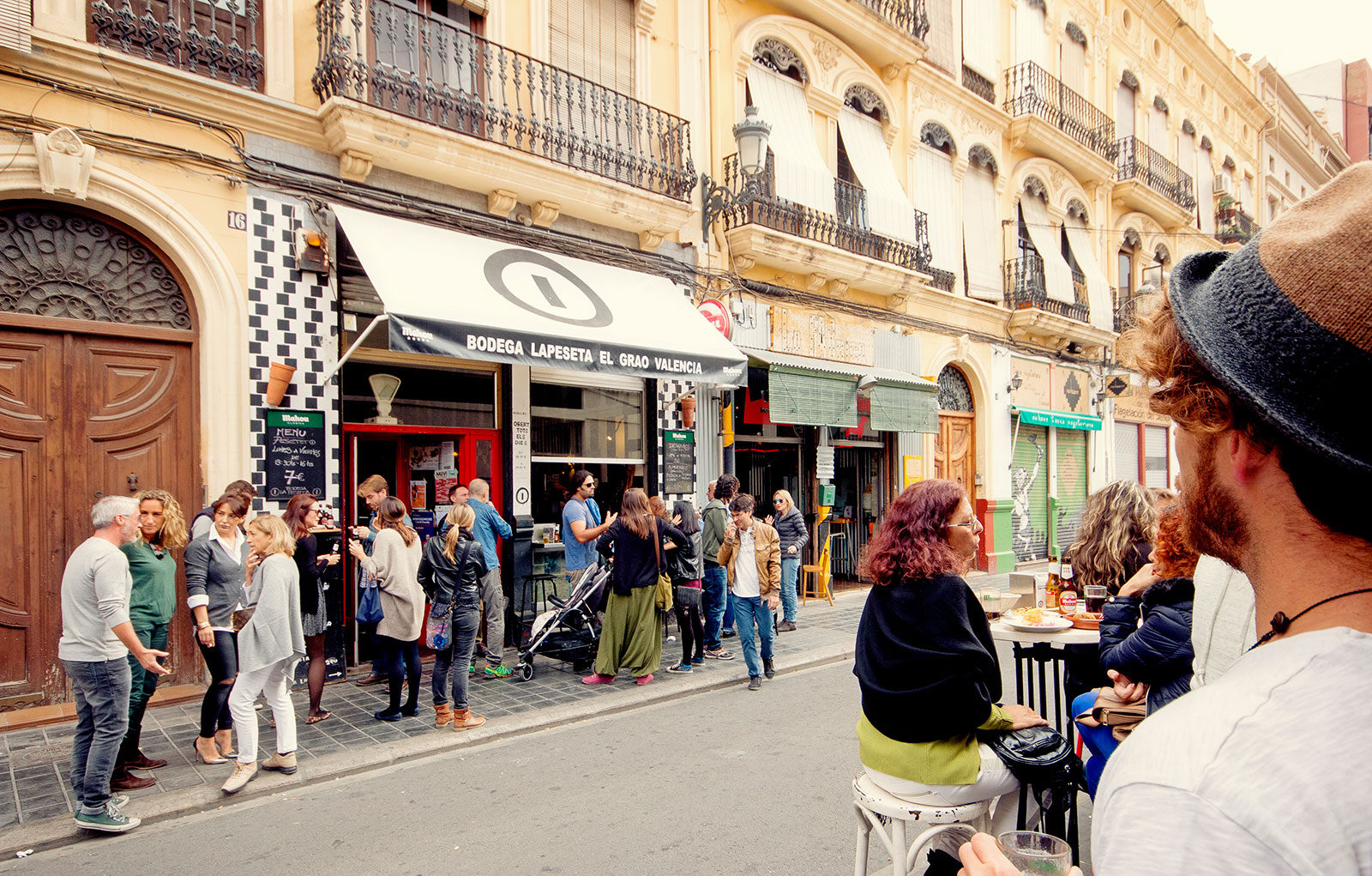
Today, El Cabanyal is a modern, creative neighborhood where the atmosphere of the former workers’ and fishermen’s quarter has been preserved. Older residents still meet here daily over coffee and tapas. At the same time, many creative entrepreneurs and outsiders have moved into the neighborhood. They are opening new bars and restaurants and renovating the old, colorful fishermen’s houses that characterize the neighborhood.
Experiences in El Cabanyal Valencia
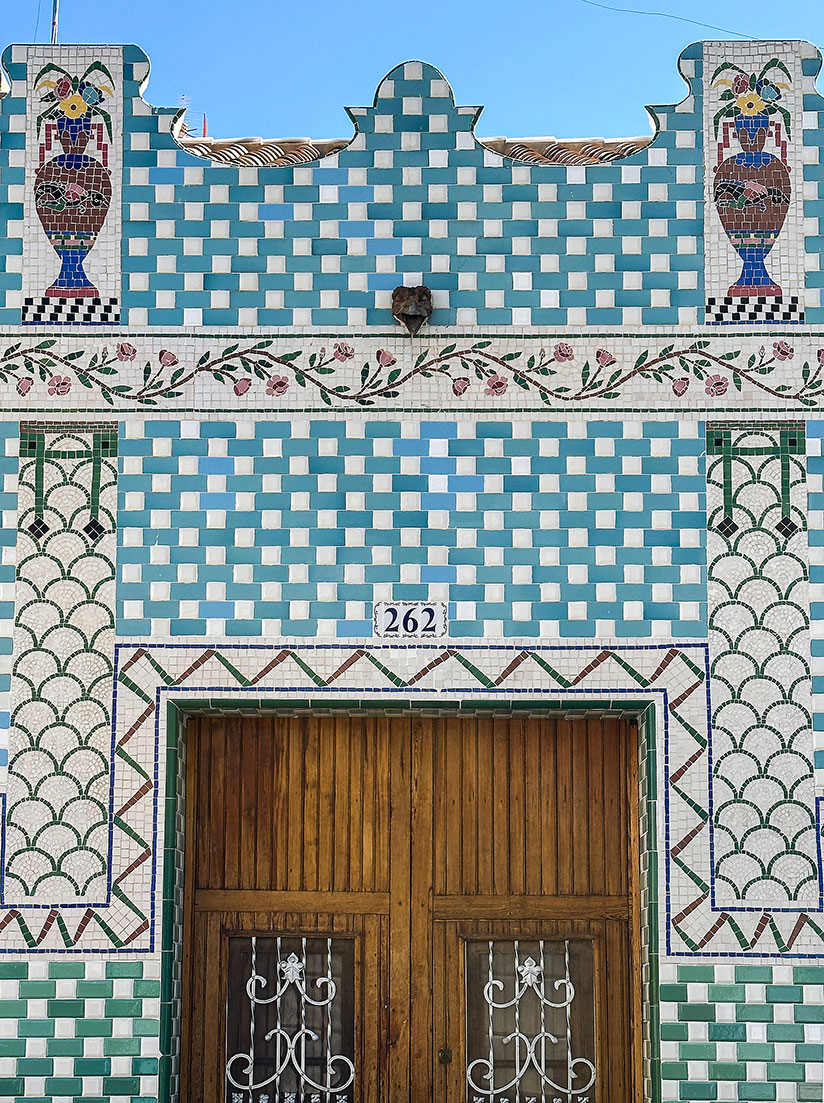 El Cabanyal’s colorful house facades
El Cabanyal is known for its many 64 square meter 2-storey houses in maritime style. Many of the facades are decorated with brightly colored tiles in a variety of colors.
The old houses, of which there are around 500 left, are listed. Therefore, they are renovated in the same style when new residents move into the neighborhood.
The facade decoration, called modernismo Valenciana or trencadís, is inspired by modernist architecture, especially Antoni Gaudí’s mosaic patterns, from the early 1900s.
You’ll find the greatest concentration of colorful house facades in the streets of Progrés, Rosario, Sant Pere and Escalante. One of the most important houses is La Casa de les Gàrgoles (House of the Gargoyles) in Progrés street. The 1917 house has blue, white and green tiles, columns and floral borders.
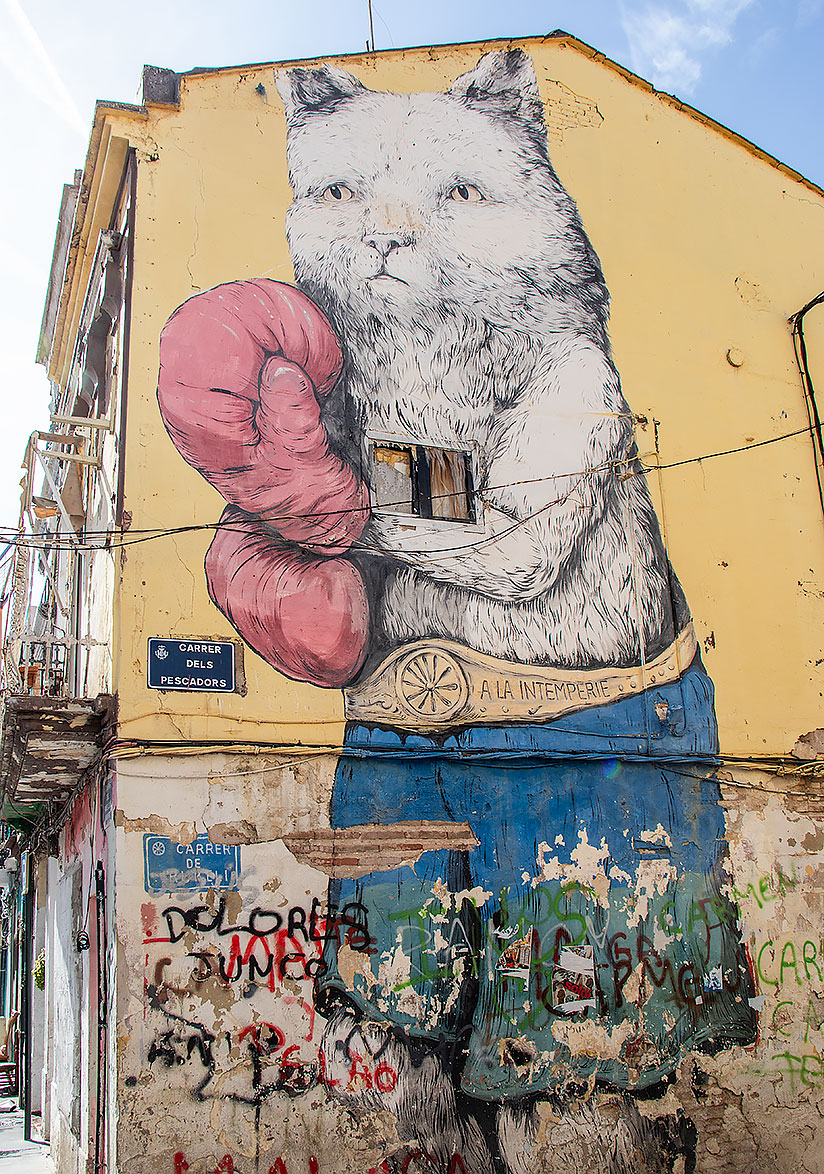 Look at street art
It’s not just the tile-decorated facades that make El Cabanyal sparkle. As you walk around the neighborhood’s streets, you’ll also notice the many exciting pieces of street art that adorn the buildings.
A cat wearing a championship belt adorns the facade of a worn house in Calle de las Pescadores. It was created by Italian street artist, Ericailcane, who has also created another work in the street, on the corner of Calle del Progreso.
Some believe the cat is a political commentary on the locals’ fight against the politicians, who at one point wanted to clear the neighborhood with a bulldozer.
El Cabanyal has attracted both local and international street artists in recent years. Many of the works you’ll come across have political commentary on living in the neighborhood and its history.
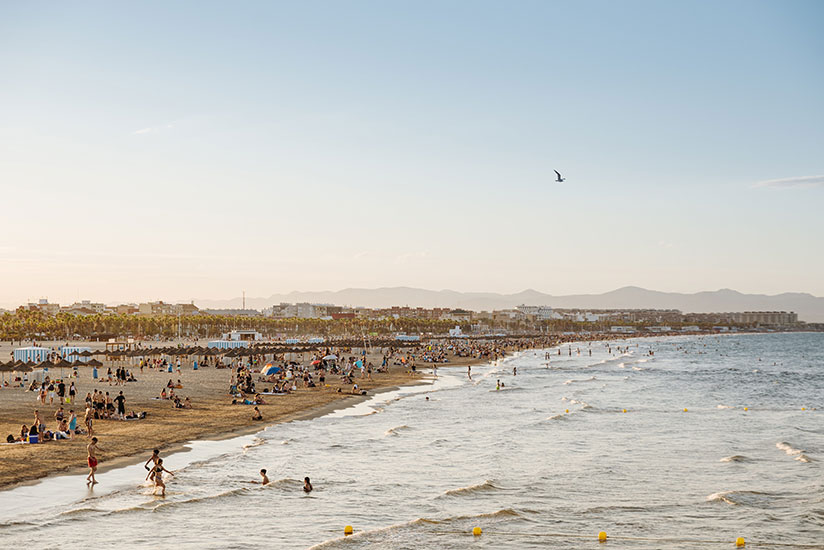 Jump in the Mediterranean
El Cabanyal borders the Mediterranean Sea and the beach of the same name.
On the 200 meter long beach you can enjoy a siesta on the golden sand and a dip in the crystal clear sea. The beach is surrounded by blue and white striped beach huts and you can rent sun loungers and parasols. There are also water sports activities and you can play beach volleyball.
A palm-fringed promenade runs along the beach, where restaurants and bars sit side by side in the colorful fishermen’s houses. It’s a popular place for evening walks, cycling and skating.
Playa El Cabanyal-Las Arenas
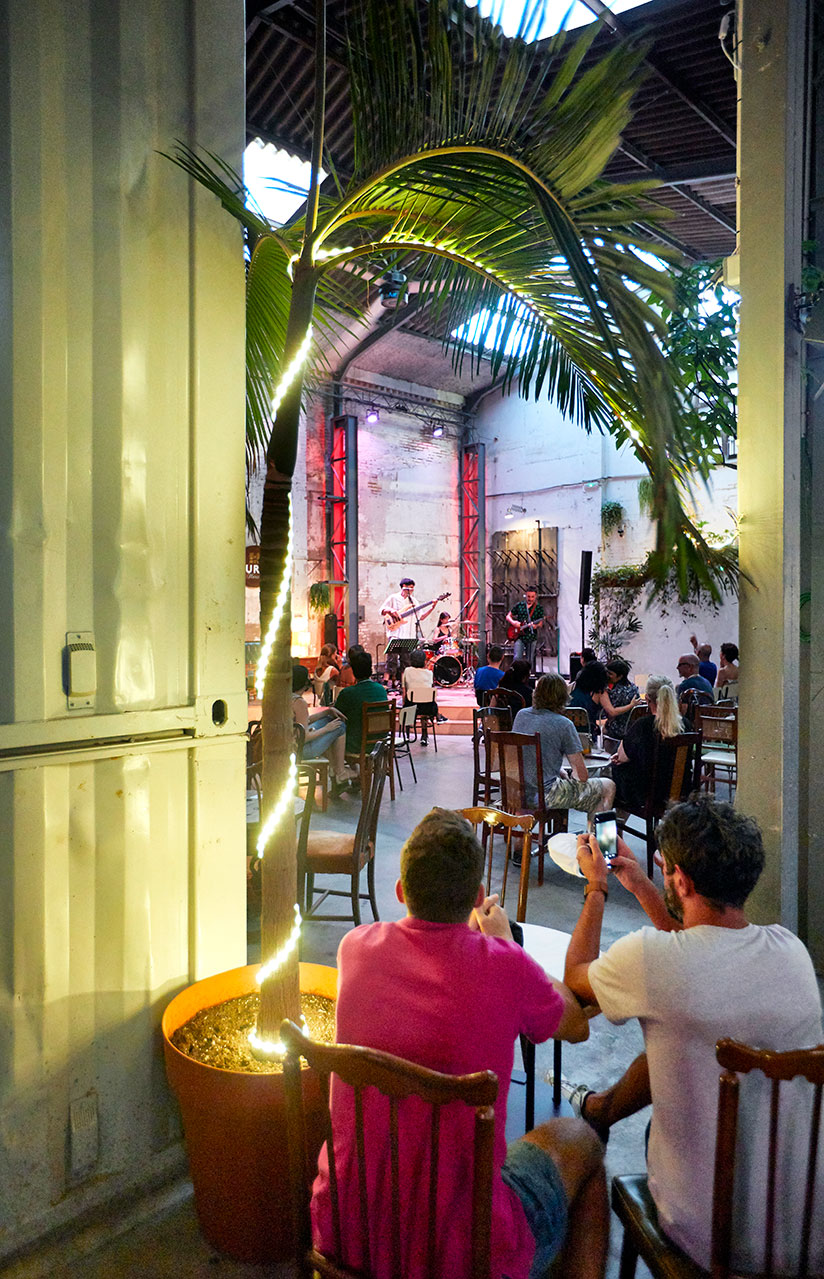
Enjoy a concert at the ice factory
Close to the beach is the independent cultural center, La Fábrica del Hielo. The name, which means ice factory, refers to the fact that the old industrial premises were once used to produce ice for packing fish.
Today, La Fábrica del Hielo is a bubbling cauldron of culture and a popular meeting point. It hosts everything from concerts to film, theater and literary events to flea markets.
In addition, a range of workshops such as yoga classes, reading groups and dance are also offered.
You can always drop in for a drink, even when there are no concerts or other events.
La Fábrica del Hielo, C/ de Pavia 37
 Art in the old shipyard
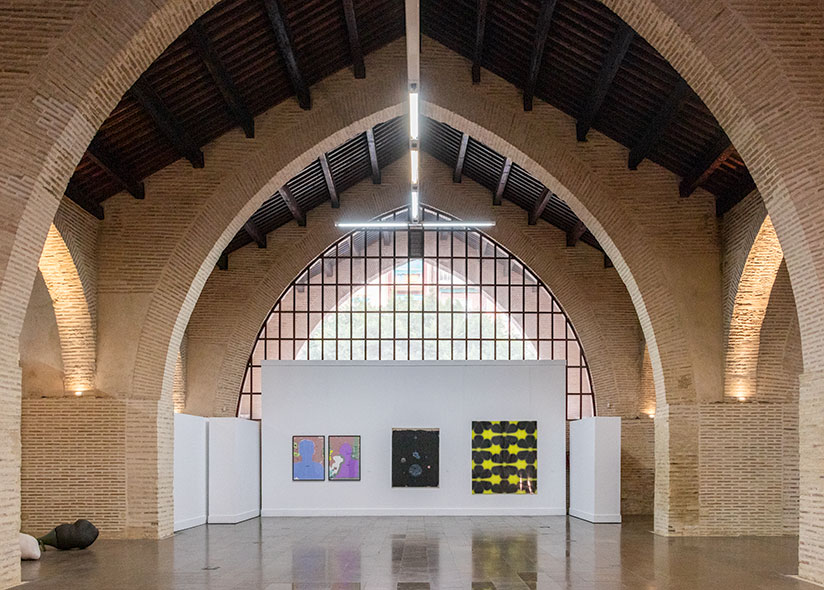
Drassanes del Grau, also called Atarazanas del Grao, is a former shipyard from the 14th century. The buildings were used for repairing ships and storing equipment.
The renovated buildings are not only an architectural gem in the neighborhood, they are also home to changing art exhibitions and cultural events.
The Gothic buildings consist of five vaulted naves, which are approximately 48 meters long and 10 meters wide and have Arabic tiles.
Drassanes del Grau, Pl. Juan Antonio Benlliure
Dive into the history of rice cultivation
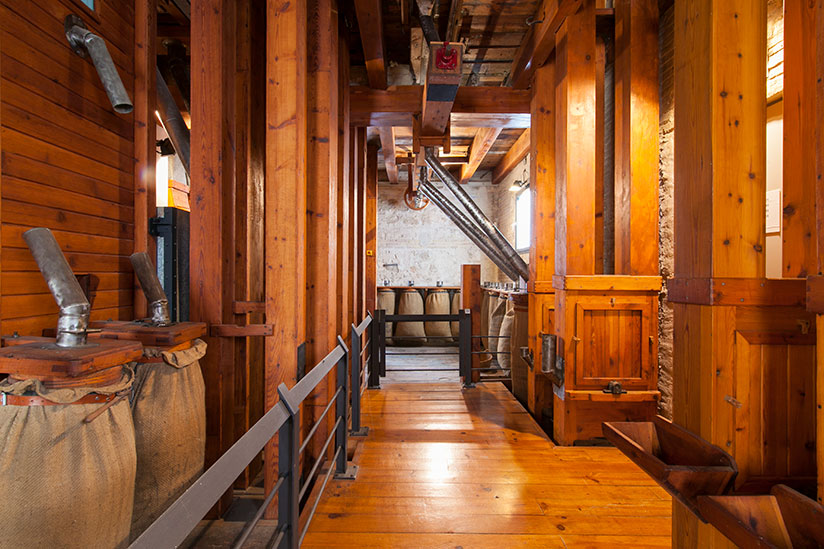
Valencia is famous for growing rice (and as the origin of paella) and at the small rice museum in El Cabanyal you can learn more about how rice has been produced and processed over the centuries.
The Rice Museum is housed in an old rice mill that was in use until the 1970s. Opened in 2003, the museum is small but on three floors. Through an introductory video, machines and tools, we are introduced to the processes from harvesting the rice in the fields to bagging it.
Museo del Arroz, C/ del Rosario 3
 Books and coffee
The yellow and blue facade on a corner of Calle de la Reina immediately attracts attention. Behind the facade is the bookstore and café Batisfera, which is definitely worth a visit.
The floor-to-ceiling shelves of the international bookstore are lined with a mix of new and used books. Everything from children’s books to literature, essays, art and culture books in English, Spanish, French and Italian.
A small bar counter and a few tables inside and outside on the street make up the café, and it’s a great place to enjoy local coffee with a view of local life. Inside, you can immerse yourself in a book.
Batisfera also hosts regular cultural events.
La Batisfera, C/ de la Reina 167
Eat and drink in El Cabanyal Valencia
 Lunch at legendary restaurant
The menu is packed with delicious tapas such as smoked eel from the river Ebro, tuna with local vegetables, oven-roasted artichokes, peppers with fish filling and gourmet cheeses. The wine list counts 400 kinds. Start with a glass of the house-made vermouth, which is really good.
Bodega Casa Montaña, C/ Josep Benlliure 69
Modern tapas with history
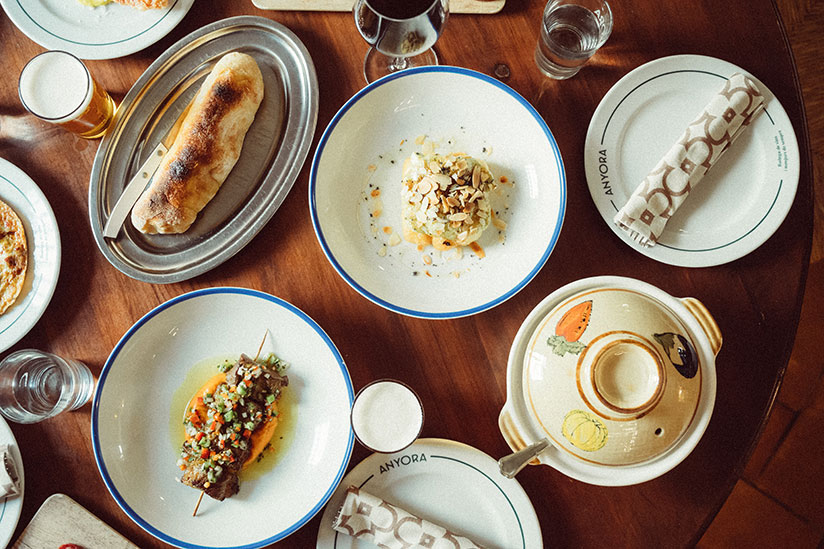
White walls, tiled floors, wooden tables and chairs and a giant bar in the center make up the decor of the small tapas bar Bodega Anyora. Here, modernity meets history, both in the decor and on the plates. The latter look like retro plates from the ferry crossings of the past.
Anyora serves tapas with a twist, a modern take on grandma’s traditional recipes. Everything is delicious, but I especially recommend their smoked green chilies. The menu also includes great croquettes, cod tortillas and squid with romescu sauce.
Enjoy a glass of good local wine with your meal. Anyora’s prices are reasonable, so there’s something for everyone.
Bodega Anyora, Carrer d’en Vicent Gallart 15
Hip gastronomy at the old factory
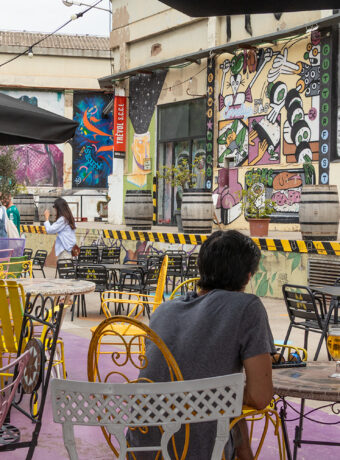
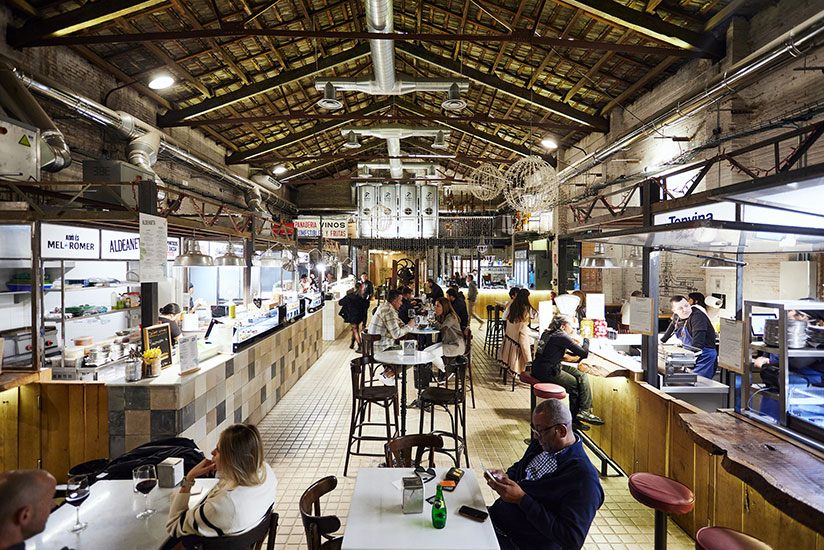
Mercader Cabanyal is the neighborhood’s hip new gastronomic market. It’s located right across from the neighborhood station in an industrial former cooper building from the early 20th century.
The rustic market has been beautifully renovated in three sections and decorated by local artists and interior designers, with artwork on the raw walls and old machines as decoration.
Mercado de Cocina is the hall of food stalls. Here you can enjoy seafood snacks, signature tapas, sandwiches, beers on tap and local wines.
La Officina (the former owner’s office) is the wine shop where you can enjoy a glass and a snack, and the market’s beer bar draws beer directly from the tanks.
The food is on the sophisticated end and it’s a delight to enjoy it and a drink in this architectural gem.
Mercader Cabanyal, C/ Joan Mercader 16
More travel tips for Valencia
While you’re in town, check out Valencia’s hip Ruzafa neighborhood. Valencia is honored for being a green city. Read the guide to the exciting green experiences in Valencia. Also find out where to get the best design experiences in Valencia.